

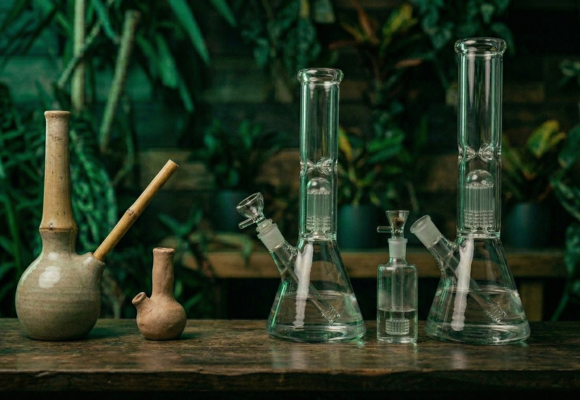
The water pipe is one of the oldest and most effective tools for herb consumption in human history. While modern users can easily browse an online head shop for high-tech glass bongs, the journey of this device spans thousands of years and several continents. From the golden artifacts of ancient royalty to the scientific glass of today, the history of the bong is a fascinating look at human ingenuity and culture.
The Foundations of Glass Craftsmanship
Before we had water pipes, we had to master glass. Humans first began experimenting with glass tools in Mesopotamia around 2500 BCE. At that time, glass was a luxury material used primarily for jewelry and beads.
It was the Ancient Romans who truly advanced glass blowing by developing the "millefiori" style. This Italian term, meaning "thousand flowers," referred to the unique and intricate markings produced on the glass. This artistic focus on patterns and aesthetics laid the groundwork for the cool bongs and heady glass pieces that enthusiasts collect today.
Archaeological Origins: The Earliest Bongs
For a long time, it was believed that the water pipe originated in Africa or Asia during the 15th century. However, recent archaeological discoveries have pushed that timeline back significantly.
The Golden Bongs of the Scythians
In 2013, researchers in Russia uncovered a truly remarkable find: solid gold bongs used by Scythian tribal chieftains. These artifacts date back roughly 2400 years. The residue found inside confirmed they were used for smoking potent herbal blends, proving that the concept of water filtration for smoke is ancient.
African Innovation
Excavations in Ethiopia have also provided vital clues to the bong's history. Archaeologists found ceramic water pipes inside a cave that dated back to between 1100 and 1400 BCE. These early devices were often made from earth, clay, or hollowed-out gourds, using water to cool the smoke long before glass became the standard material.
The Transition to the 20th Century
As tobacco and other herbs spread globally during the 1600s and 1700s, the use of water pipes followed. In China, Empress Dowager Cixi was even buried with her favorite silver water pipes.
By the early 20th century, glass became a household staple. As electricity became common, the demand for glass lamps and decorative home goods spiked. This sparked a new wave of glass blowing expertise in the West. It wasn't long before these industrial techniques were applied to smoking gear, leading to the birth of the modern glass bong industry.
The Bong Renaissance and the Modern Era
The 1960s and 70s saw a massive cultural shift in the United States, and with it came the explosion of the head shop. Iconic figures like Tommy Chong of the comedy duo Cheech and Chong helped bring the "Chong Bong" into the mainstream.
Overcoming Legal Challenges
The industry faced a major hurdle in 2003 when the US government launched "Operation Pipe Dreams." This was a massive crackdown on the sale of smoking accessories, which at the time was a 1 billion dollar annual industry. Despite these legal battles, the community prevailed. The demand for quality gear only grew, leading to a shift toward the high-quality scientific glass and technical filtration we see today.
The Future of Filtration
Today, the industry is in a golden age. Advanced techniques have allowed for the creation of incredibly complex percolator bongs and recycler dab rigs that offer cooling once thought impossible. Online shopping has made it easier than ever to find everything from high-end desktop vaporizers to affordable bongs for everyday use.
As glass artists continue to push the boundaries of what is possible, the bong remains the ultimate symbol of smoking culture. Whether you prefer a classic straight tube bong or a modern silicone bongs for durability, you are participating in a tradition that is thousands of years old.


